Mapping Transaction Timelines to Responsible Play Triggers in Sweden's Regulated Mobile Progressive Slot Environments
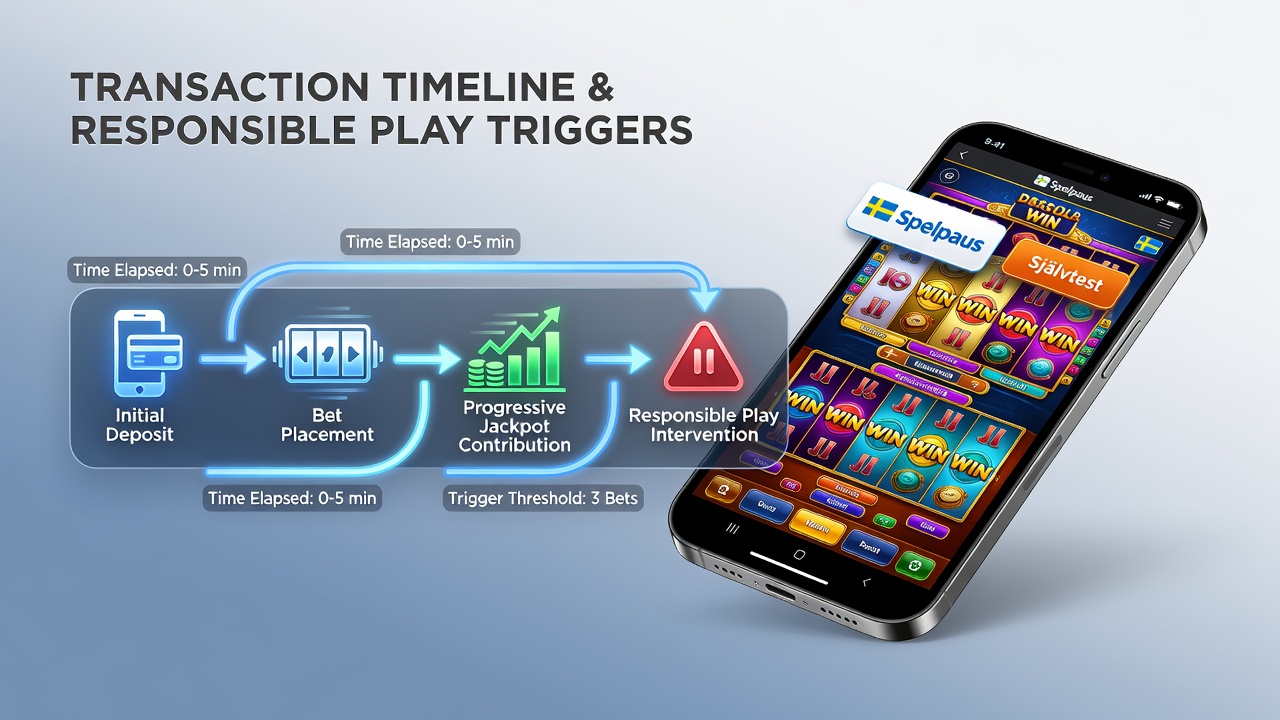
Sweden's gambling market operates under strict oversight from the Spelinspektionen, where mobile progressive slot environments require operators to align transaction patterns with mandatory responsible play mechanisms. Transaction timelines track deposits, wagers and withdrawals in real time, and these sequences connect directly to automated triggers that enforce session limits or mandatory pauses once predefined thresholds appear.
Regulatory Framework for Mobile Gaming
Swedish law mandates that all licensed platforms monitor player activity through continuous data streams, and progressive jackpot slots on smartphones fall under the same rules as other game types. Operators must record every transaction with timestamps, amounts and game identifiers so that patterns emerge quickly. Research from the Swedish Gambling Authority shows that mobile sessions often feature shorter but more frequent transactions than desktop play, which creates distinct timeline signatures that responsible gambling systems must detect.
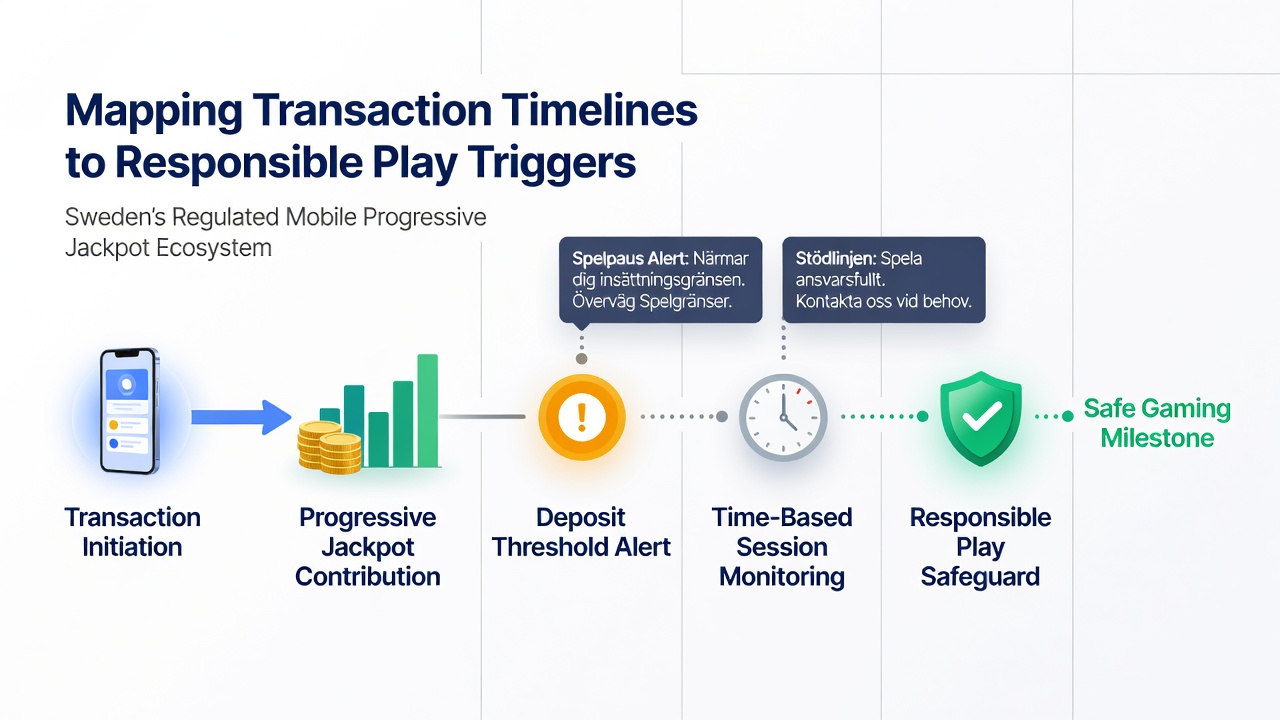
Data indicates that integration of these timelines with trigger points helps prevent excessive play before problems develop. Systems flag sequences such as three deposits within thirty minutes or escalating bet sizes across consecutive spins, and they respond by activating cooling-off periods or prompting reality checks. According to figures released by Spelinspektionen, compliance rates for these automated responses reached 98 percent among licensed operators by late 2025.
How Transaction Timelines Connect to Triggers
Transaction mapping works by converting raw payment and bet records into chronological profiles that responsible play algorithms evaluate against fixed parameters. A single deposit followed by rapid small wagers might stay below thresholds, whereas clustered high-value transactions within a narrow window activate limits. Progressive slots add complexity because jackpot contributions accumulate across many players, yet individual timelines still determine when personal safeguards engage.
Studies conducted by academic researchers at Stockholm University reveal that mobile users tend to initiate transactions during commute hours, creating predictable peaks that operators now incorporate into their trigger calibration. These patterns allow systems to differentiate between routine activity and potential risk indicators without interrupting normal play.
November 2026 System Updates
Beginning in November 2026, updated technical standards require all mobile platforms to feed transaction data into a centralized monitoring layer within two seconds of each event. This change expands the range of detectable patterns, including cross-game sequences where a player shifts from progressive slots to other titles while maintaining the same deposit rhythm. Early reports from operators show that the new timing requirement has increased trigger accuracy by approximately 12 percent compared with previous quarterly averages.
Those who have examined the revised protocols note that the November rollout also introduces optional player-set timeline preferences, such as maximum daily transaction counts that interact with the mandatory responsible play framework. Licensed providers must display these options clearly within the mobile interface, and failure to do so triggers automatic compliance reviews.
Practical Implementation Across Platforms
Operators achieve mapping through application programming interfaces that connect banking modules directly to responsible gambling engines. When a timeline matches a trigger condition, the system issues an immediate response ranging from a simple notification to full session suspension. Evidence collected by the European Gaming and Betting Association indicates that mobile progressive slot environments in Sweden generate fewer manual interventions than markets without timeline-based automation.
One documented case involved a platform that identified a player completing twelve deposits in under forty minutes during evening hours. The algorithm activated a four-hour pause and directed the user to a self-assessment tool, all without human review. Such examples demonstrate how timeline analysis scales across large user bases while remaining consistent with regulatory expectations.
Conclusion
Mapping transaction timelines to responsible play triggers forms a core component of Sweden's approach to regulating mobile progressive slot environments. The combination of precise timestamp data, automated detection rules and scheduled updates such as those planned for November 2026 continues to shape how operators maintain compliance and support player protection measures. Ongoing refinements in data handling ensure that these systems evolve alongside usage patterns observed on approved platforms.