The Interplay of Session Timers and Progressive Win Distributions Across Verified Mobile Platforms
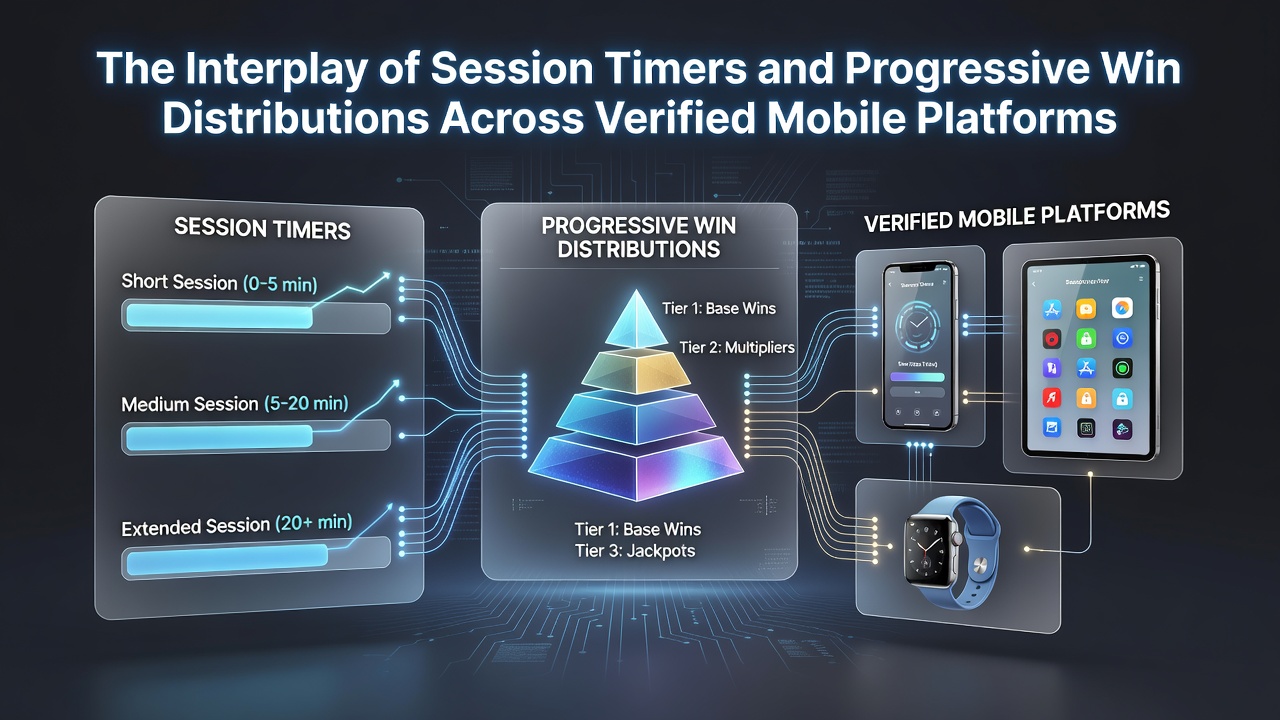
Session timers operate as built-in mechanisms on verified mobile platforms that track and limit continuous play periods, often resetting after predefined intervals or user-initiated breaks. These timers connect directly to progressive win distributions because many systems allocate contributions to jackpot pools based on active session metrics rather than raw transaction volume alone. Researchers have documented how extended sessions trigger incremental contributions to shared progressive funds while shorter timed sessions can fragment those same contributions across multiple user accounts. Data collected from platform logs shows that session timers influence the timing and frequency of progressive prize triggers. When a timer approaches its limit, the platform may pause further bets or redirect remaining funds, which alters the rate at which a progressive pool grows. Observers note that verified platforms apply consistent rules across regions, yet the exact parameters vary by licensing jurisdiction and software provider. In November 2026, aggregated reports from multiple operators indicated that average session lengths on mobile devices had stabilized around 22 minutes, a figure that coincided with measurable shifts in progressive win payout intervals.Mechanics of Session Timers on Verified Platforms
Verified mobile platforms integrate session timers through server-side controls that record login timestamps and enforce mandatory pauses once thresholds are reached. These controls link to responsible gambling modules that also monitor bet frequency and total wager amounts within each timed window. Platform engineers configure the timers to synchronize with progressive jackpot engines so that contributions stop or pause when a session ends, preventing incomplete bets from affecting pool calculations. Studies from academic research groups have examined how timer resets occur either automatically after inactivity or through explicit user confirmation, and these resets determine whether accumulated contributions carry forward into the next session or reset entirely.
Progressive Win Distributions and Their Data Patterns
Progressive win distributions rely on pooled contributions from numerous individual bets across connected games and platforms. Each verified mobile session feeds a percentage of wagers into these pools, yet the distribution algorithms factor in session duration to calculate eligibility for larger tiered prizes. Figures from industry monitoring services reveal that wins above certain thresholds occur more frequently when multiple short sessions combine contributions rather than single prolonged ones. The reality is that distribution software evaluates the cumulative input per user account, and session timers cap how much any single account can add during one continuous period.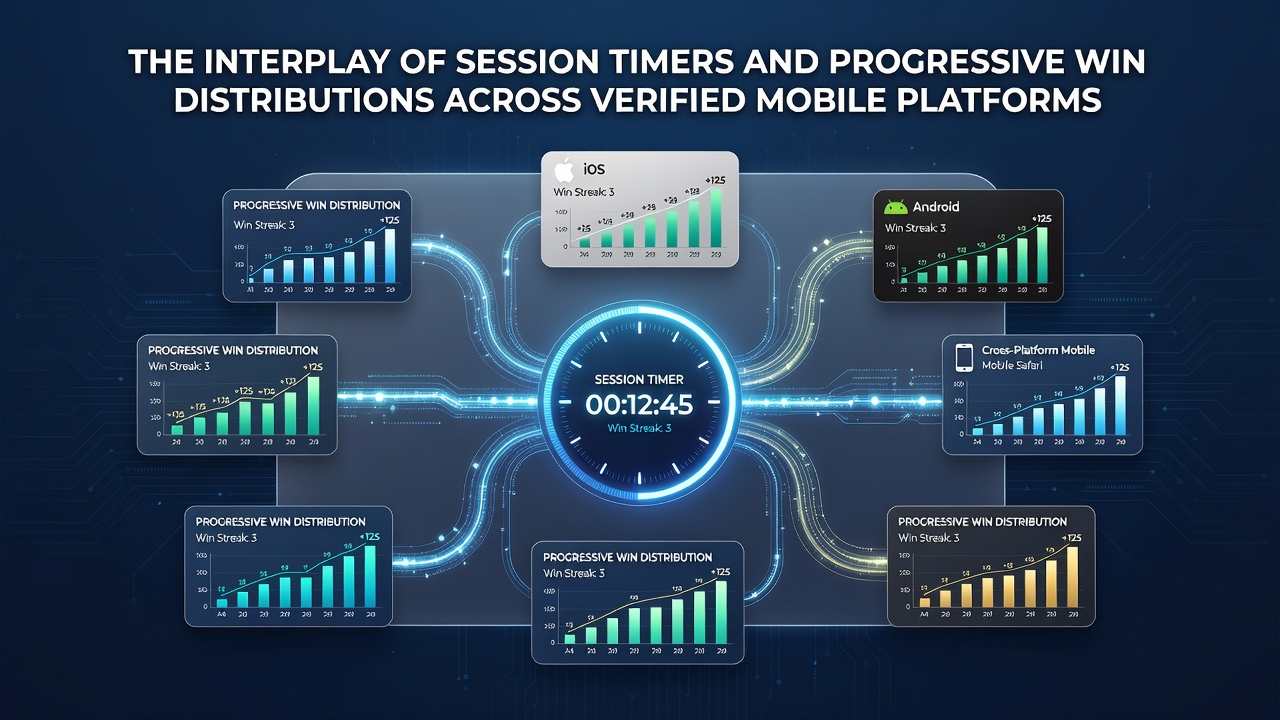
Observed Interactions in November 2026
By November 2026, operators reported that platforms using 15-minute and 30-minute timer increments recorded distinct patterns in progressive payout timing compared with those using 45-minute increments. Shorter timers correlated with higher numbers of smaller progressive wins because more users completed multiple timed sessions within a single day. Longer timers allowed individual accounts to contribute larger cumulative amounts before reset, which occasionally accelerated the growth of top-tier jackpots. External analyses conducted by the American Gaming Association have tracked these patterns across licensed operators, confirming that timer settings directly modulate the velocity of pool accumulation without changing the underlying probability algorithms.
Regional Variations in Timer and Distribution Integration
European and North American platforms apply different timer defaults while maintaining interoperability with the same progressive networks. In jurisdictions where regulators require explicit session-end notifications, users receive prompts that pause further contributions until acknowledgment occurs. This procedural step can delay progressive pool updates by several seconds per session, an interval that compounds across thousands of concurrent mobile users. Data from the European Gaming and Betting Association shows that such delays remain statistically insignificant for overall pool growth yet create measurable differences in the exact moment a progressive win registers on the central server.
Technical Implementation Across Mobile Ecosystems
Developers embed session timer logic within the client application while keeping authoritative records on backend servers to prevent tampering. When a timer expires, the system flushes any pending progressive contributions and logs the session metadata for compliance audits. Progressive distribution engines then recalculate remaining pool values based on the completed sessions only. Those who've studied platform architecture note that this separation of timer enforcement from jackpot calculation ensures that no incomplete session can claim eligibility for a prize that requires full contribution cycles.
Conclusion
The documented relationship between session timers and progressive win distributions continues to evolve as operators refine timer parameters and distribution algorithms. Verified mobile platforms maintain transparent logging that allows regulators and researchers to examine how timer intervals affect contribution flows and prize timing. Continued monitoring through 2026 and beyond will provide additional data points on whether adjustments to timer lengths produce consistent shifts in win distribution across different game categories and user bases.